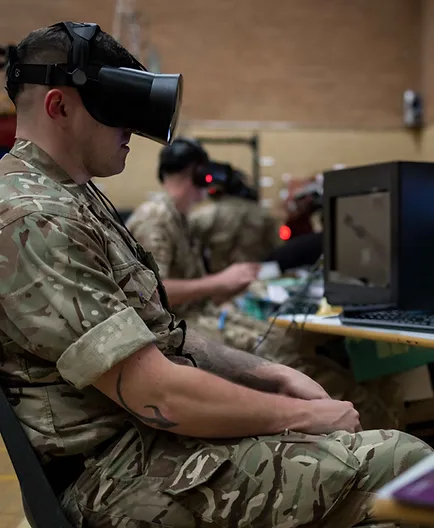
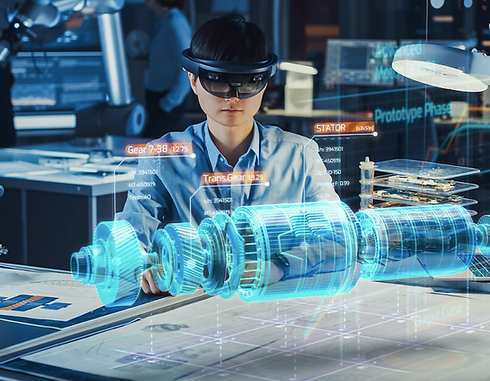
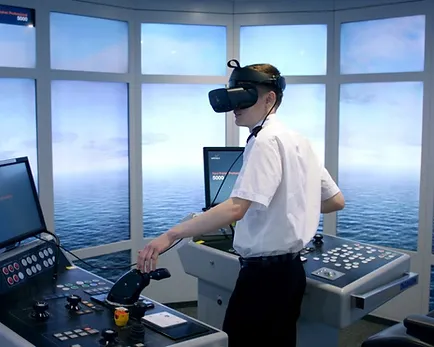
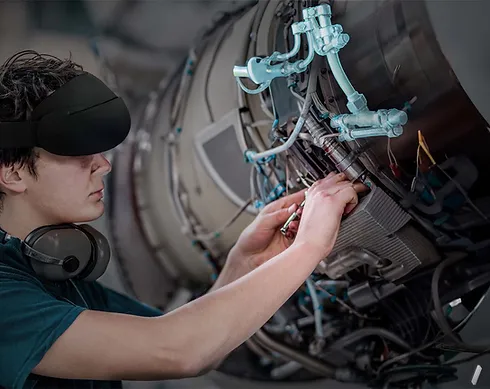
Wearable integrated simulator systems for defense maintenance and production combine cutting-edge technologies such as virtual reality (VR), haptic feedback, and sensor-driven data to improve the efficiency, accuracy, and safety of defense-related activities. These systems are designed to enhance the skills of technicians and engineers responsible for the upkeep, repair, and manufacturing of military equipment such as aircraft, naval vessels, vehicles, and weapons systems. By integrating wearable devices into maintenance and production workflows, defense organizations can streamline operations, reduce errors, and improve safety in complex, high-risk environments.
Applications in Maintenance and Diagnostics
Technicians can view step-by-step repair instructions or diagnostic data for aircraft engines, armored vehicles, or missile systems, ensuring precise repairs and component assembly. Our systems can guide the assembly, testing, and maintenance of sophisticated weaponry, reducing human error and improving efficiency.
Simulation Training for Complex Operations
Technicians can use Simulation to visualize internal structures, complex wiring, and system layouts on ships or submarines during maintenance or production. Our systems allow defense personnel to train in simulated environments that replicate real-world defense infrastructure, such as assembly of aircraft parts, servicing tanks, or repairing submarines.
Enhancing Real-Time Decision Making and Remote Assistance
Technicians can practice disassembling and reassembling engines, avionics systems, and landing gear in simulation before handling actual aircraft. Training systems can simulate maintenance tasks on complex military vehicles, such as tanks or armored personnel carriers, helping technicians learn how to service these systems without risking costly damage.
Our systems can simulate environments for testing and maintaining missile systems, firearms, and defense electronics, providing technicians with a safe space to learn operational protocols. Wearable systems allow field technicians to connect with off-site experts in real-time. Remote experts can view the technician's field of vision via AR and provide guidance on repairs, assembly, or diagnostics.