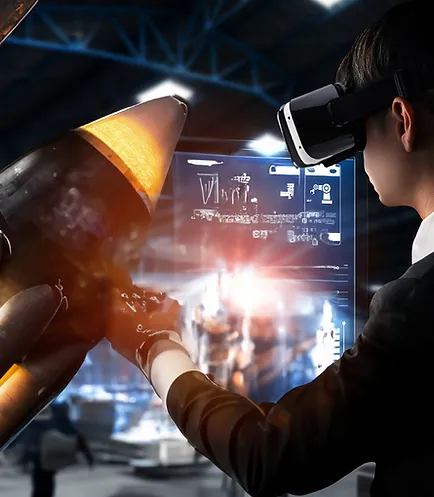
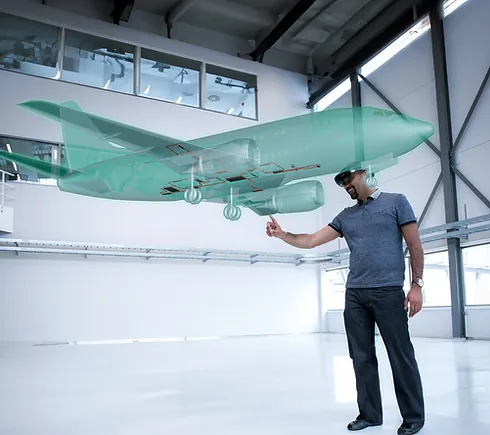
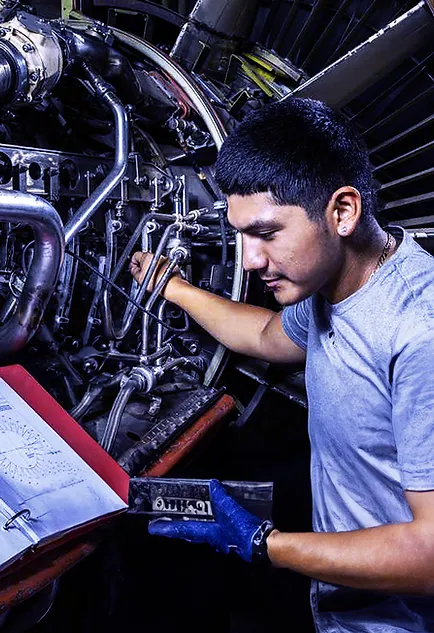
Wearable integrated simulator systems for aerospace maintenance and production are designed to enhance the efficiency, accuracy, and safety of aerospace operations by utilizing multi-disciplinary simulator technologies. These systems aim to improve the skills of aerospace engineers and technicians in areas such as aircraft assembly, spacecraft construction, satellite maintenance, and overall systems testing.
Integration into Aerospace Workflows
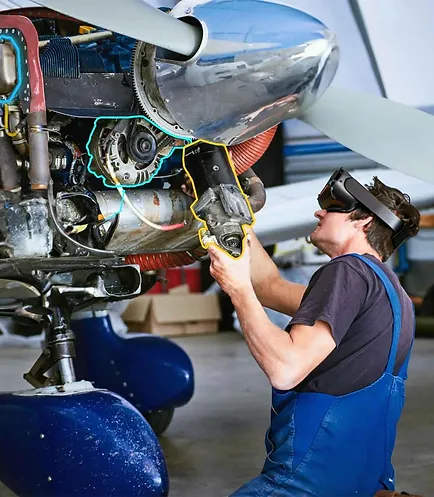
By integrating wearables into the production and maintenance workflow, aerospace organizations can reduce errors, boost productivity, and ensure compliance with rigorous standards. Step-by-step, interactive instructions are displayed in the technician’s field of view, showing exactly how parts should be assembled or maintained.
Component Identification and Data Display
The system can automatically identify aerospace components and display critical data like materials, dimensions, torque settings, and inspection protocols. This enables technicians to access vital information on-the-spot without needing to refer to external documents or systems.
Virtual Assembly and Training Simulations
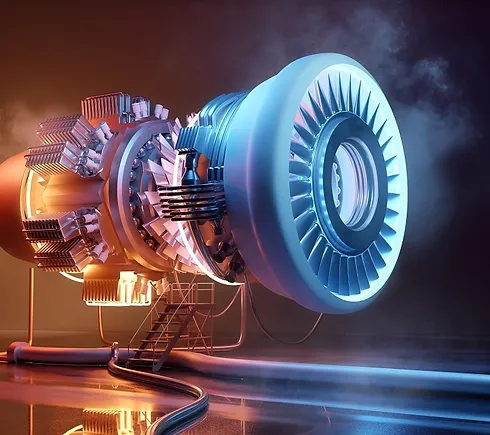
Technicians can virtually assemble or disassemble aerospace systems like engines, turbines, or avionics before working on real components, enhancing their skills and confidence in handling intricate parts. Trainees can practice handling critical maintenance and repair scenarios in a risk-free virtual environment, including diagnosing system failures, reassembling complex spacecraft modules, or simulating routine checks for satellites.
Advanced Scenario Training and System Benefits
Our systems can immerse technicians in emergency maintenance scenarios, such as critical spacecraft system malfunctions or unexpected failures in aerospace manufacturing systems, allowing them to develop problem-solving skills in high-pressure environments. Wearable integrated simulator systems for aerospace maintenance and production represent a significant leap forward in how the aerospace industry operates. By integrating AR, VR, and haptic feedback into technician workflows, aerospace companies can enhance precision, reduce errors, and improve training outcomes, while saving costs and increasing efficiency. These technologies will revolutionize the production and maintenance of aircraft, spacecraft, and other aerospace systems, driving advancements in safety, productivity, and innovation.